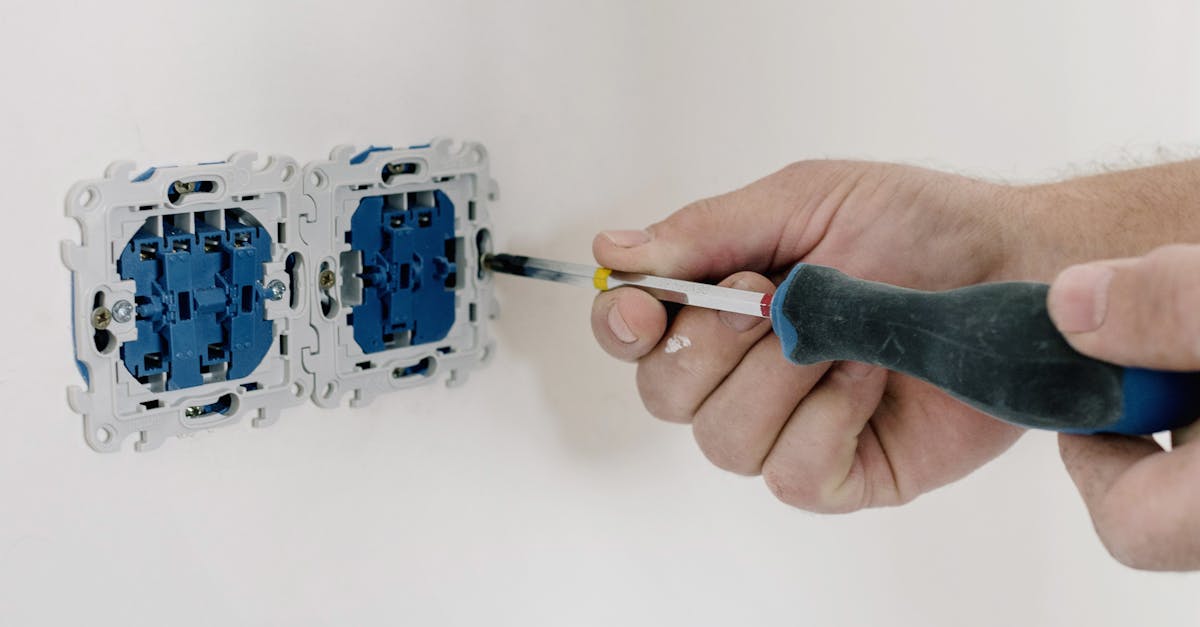
Recognising Signs of Electrical Hazards Before They Become Emergencies
Table Of Contents
Flickering Lights
Sudden bursts of flickering lights can indicate underlying issues within your electrical system. This phenomenon may arise from loose connections, frayed wires, or even a problematic light fixture. When bulbs flicker, it often signifies that not enough power reaches them, leading to an inconsistent illumination. The potential for larger electrical problems exists when this occurs regularly, necessitating attention from a qualified electrician.
Another common cause of flickering lights is voltage fluctuations, particularly in homes with many appliances working simultaneously. This imbalance can overburden circuits, leading to failure. If flickering persists despite changing bulbs or fixtures, it could be an early warning sign of loose connections within the wiring or issues with the circuit breaker. Ignoring these signs might culminate in more significant and potentially hazardous electrical malfunctions.
What This Could Mean for Your Wiring
Flickering lights can indicate a range of issues within your electrical wiring. This phenomenon often suggests loose connections or outdated fixtures that may not be adequately supporting the electrical load. In more serious cases, it could signal an underlying problem such as damaged wiring, which poses a fire hazard if not addressed promptly.
Regular flickering may also be the result of improper voltage levels supplied to your home. If appliances are drawing more power than the circuit can handle, overloads can occur. It’s crucial to investigate these disturbances to ensure that your wiring can safely accommodate the electrical demands of your household and prevent potential safety risks.
Circuit Breaker Tripping
Experiencing regular circuit breaker tripping is a clear sign that there may be significant issues within your electrical system. Each breaker is designed to trip when an overload occurs, indicating that the electrical current is exceeding safe levels. This could be due to too many devices drawing power from the same circuit or faulty appliances. It may also point to deeper issues within the wiring, meaning that further investigation is essential before the problem escalates.
While occasional tripping might not signal a major malfunction, frequent occurrences can lead to a sense of annoyance and potential safety hazards. Understanding these implications should prompt homeowners to assess their electrical system. Hiring a qualified electrician for a thorough inspection is advisable, especially to ensure that circuits are not overloaded and that all wiring meets current safety standards. Proactive measures can help prevent dangerous situations from developing into serious emergencies.
Understanding the Implications
Frequent circuit breaker trips can indicate an underlying issue with your electrical system, often linked to an overload or a short circuit. This malfunction not only disrupts your daily activities but can also pose significant safety risks. If a circuit breaker trips repeatedly, it suggests that the wiring may not be able to handle the electrical load, which can lead to overheating and potentially cause a fire.
Understanding these implications is crucial for homeowners. Ignoring the signs can lead to more severe consequences, including the failure of major appliances or, even worse, electrical fires. Regular inspections by a qualified electrician are essential to assess the condition of the wiring and to ensure that the circuit breakers are functioning properly. Taking proactive measures can safeguard your home and provide peace of mind regarding electrical safety.
Outdated Wiring
Old electrical systems can pose a significant risk in any household. Wires degrade over time, insulation wears thin, and components can become less reliable. Homeowners may find their older wiring systems unable to handle modern electrical demands, leading to unexpected issues such as overheating and short circuits.
Neglecting to assess and upgrade outdated wiring can result in serious hazards. Problems can escalate quickly, particularly if circuits are overloaded. In some cases, this can even lead to electrical fires. Understanding the age and condition of your wiring is crucial for ensuring safety in your home. Regular inspections can help identify potential dangers before they manifest into emergencies.
Risks Associated with Old Electrical Systems
Older electrical systems often fail to meet modern safety standards. They can contain inadequate insulation, outdated circuit designs, and components that degrade over time. These factors significantly increase the risk of shorts, overheating, and even electrical fires. Homeowners may unknowingly use appliances that draw more power than the system can handle, leading to dangerous situations.
Additionally, old wiring may lack essential safety features such as circuit breakers or residual current devices (RCDs), which protect against shocks and overloads. Finding replacement parts for these outdated systems can be challenging, often resulting in temporary fixes rather than proper updates. Regular inspections and upgrading to modern standards are crucial for ensuring safety and preventing potential hazards.
FAQS
What does it mean when my lights are flickering?
Flickering lights can indicate a problem with your wiring, such as loose connections or overloaded circuits, which may require immediate attention from an electrician.
Why does my circuit breaker keep tripping?
A circuit breaker that frequently trips may signal an overloaded circuit, a short circuit, or a ground fault, and it’s important to investigate the underlying issue to prevent potential electrical hazards.
How can I recognise if my wiring is outdated?
Signs of outdated wiring include frequent circuit breaker trips, flickering lights, discoloured outlets, or the presence of two-pronged outlets. If you notice these signs, it may be time to consult a qualified electrician for an evaluation.
What are the risks associated with old electrical systems?
Old electrical systems can pose significant risks, including fire hazards, electrical shocks, and inefficient energy use. Upgrading to modern wiring can enhance safety and efficiency in your home.
How often should I have my electrical system inspected?
It is recommended to have your electrical system inspected at least every 5 to 10 years, or sooner if you notice signs of electrical problems, to ensure it remains safe and up to code.
Related Links
Benefits of Regular Emergency Electrical Inspections for Commercial BuildingsUnderstanding the Importance of Emergency Electrical Services for Businesses in Adelaide
The Impact of 24/7 Emergency Electrical Services on Business Operations
Preparing Your Business for Electrical Emergencies: Proactive Measures
Fast-Track Solutions for Electrical Failures: Emergency Services Explained
The Role of Emergency Electricians in Business Continuity Planning
Common Electrical Emergencies Faced by Commercial Properties in Adelaide
Responding Effectively to Power Outages: An Emergency Electrician's Guide